
SecureFlag’s Threat Modeling APIs are now available to the platform’s users and administrators, giving teams new ways to automate and scale threat modeling across the organization.
Earlier this year, we launched CI/CD integration that automatically generates ThreatCanvas models from code repositories. It’s ideal for continuous automation, but that’s just one place where threat modeling can be applied.
A Quick Recap of the CI/CD Container Flow
Our initial release, Code Repository to ThreatCanvas, focused on automating threat modeling within CI/CD pipelines.
The flow is simple:
-
A SecureFlag container runs inside your CI pipeline.
-
It scans your codebase and extracts an architectural summary.
-
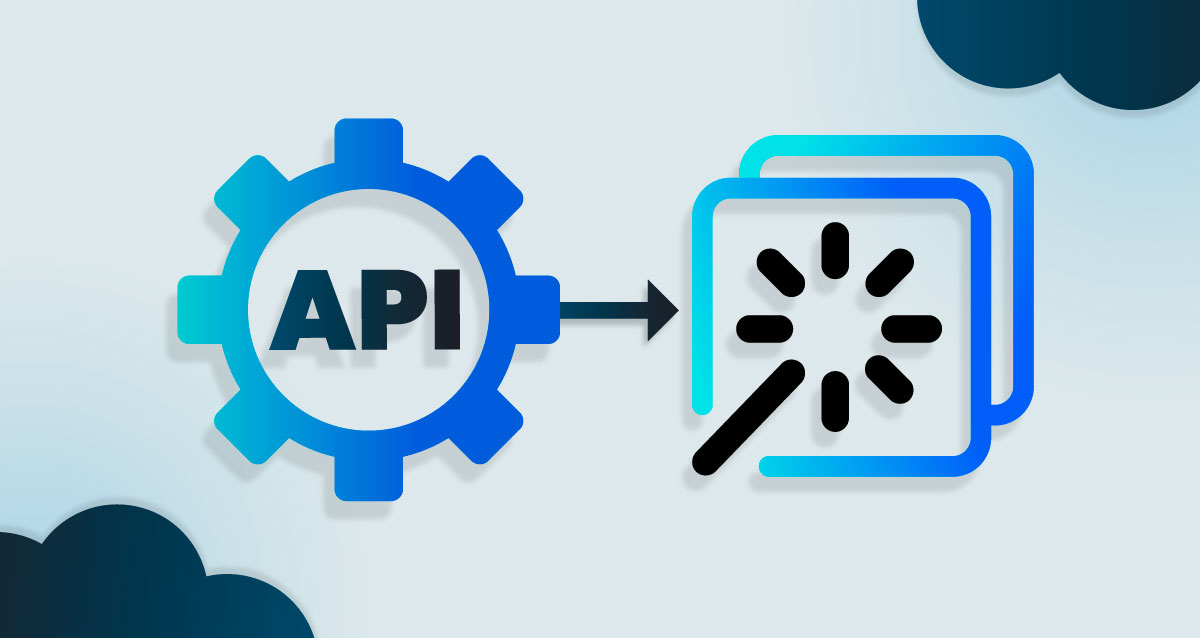
That summary is sent to ThreatCanvas via API.
-
ThreatCanvas automatically builds a structured threat model.
This approach works well for teams that want threat modeling to run automatically alongside builds and deployments, but today’s organizations need more flexibility than a single integration point.
What’s New: Direct Access to Threat Modeling APIs
With direct API access, teams can now generate threat models wherever architectural decisions are made, such as:
-
Submit architectural summaries to ThreatCanvas from any source.
-
Initiate threat model creation outside CI/CD.
-
Integrate threat modeling into custom tools, scripts, and platforms.
-
Control exactly when, how, and why threat models are generated.
Making Threat Modeling Work Where You Need It
When threat modeling isn’t embedded in development processes, it quickly becomes outdated. To stay relevant, it needs to be integrated directly into workflows.
This makes it possible to apply threat modeling in places like:
-
Architecture design reviews: Model threats before code is written.
-
Pull requests: Assess the security impact of proposed changes.
-
Developer portals: Give engineers on-demand threat modeling.
-
Security governance processes: Integrate with wider risk management systems.
SecureFlag’s modeling logic remains the same, while teams get control over when to create threat models, what level of detail to include, and how to integrate them into existing processes.
How Teams Are Applying the APIs
The APIs support a range of threat modeling use cases, including:
-
Custom scanners that feed architecture data into ThreatCanvas to automate threat modeling at scale.
-
Manual architecture inputs from documents, diagrams, or greenfield projects still in design.
-
Event-driven modeling triggered by repository or infrastructure changes to keep models up to date.
-
Security platforms that orchestrate threat modeling alongside other risk insights.
-
Training environments where developers generate threat models as part of hands-on learning.
Threat Modeling as a Building Block
Development lifecycles are moving much faster, so traditional threat modeling as a one-off project or static document no longer works.
To keep up, it needs to be flexible and reusable, as well as being developer-friendly. In this way, teams can continuously assess risk rather than react to disconnected findings.
How Teams Benefit from SecureFlag
SecureFlag brings threat modeling and hands-on security training together in a single platform.
With ThreatCanvas and APIs that open it up to any workflow, teams can keep threat models aligned with architecture while building security skills across the organization.
Our platform makes threat modeling practical and aligned with how software is created.